Air travel remains to be one of the safest means of transport in large part due to the stringent safety measures that are adhered to by the airlines. Safety of the passengers is far beyond verifying the ticket information or boarding process. There are various levels of protection taken by airlines, but these processes begin with the construction and maintenance of aircrafts, then move to the preparation of flights and finally the preparation of the crew.
The safety inspections are in every section of an aircraft, including the engines or navigation systems. Periodical inspections are taken to control that everything is working the best. The entire airline safety and risk assessment programs are in support of every flight. Through these programs, airlines predict and avoid issues and it is now possible to have millions of passengers board to planes without accidents daily.
The Role of Risk Assessment in Aviation
Risk evaluation is one of the fundamental elements of the airline. It includes the recognition of risks, the examination of the possible outcomes and the prevention of accidents. The airlines evaluate the weather conditions, flight routes, aircraft performance, and human factors. Risk assessment based on data assists the airlines in making well-informed choices with regard to the flight operations.
Reviewing past incidences and predictive analytics to indicate potential challenges are also part of modern risk assessment. Airlines minimize the risks of accidents by paying attention to the development of risks in advance. A good risk management system results in a safer environment to both the passengers, the members of the crew, and the ground personnel as well.
Training and Preparedness of Crew Members
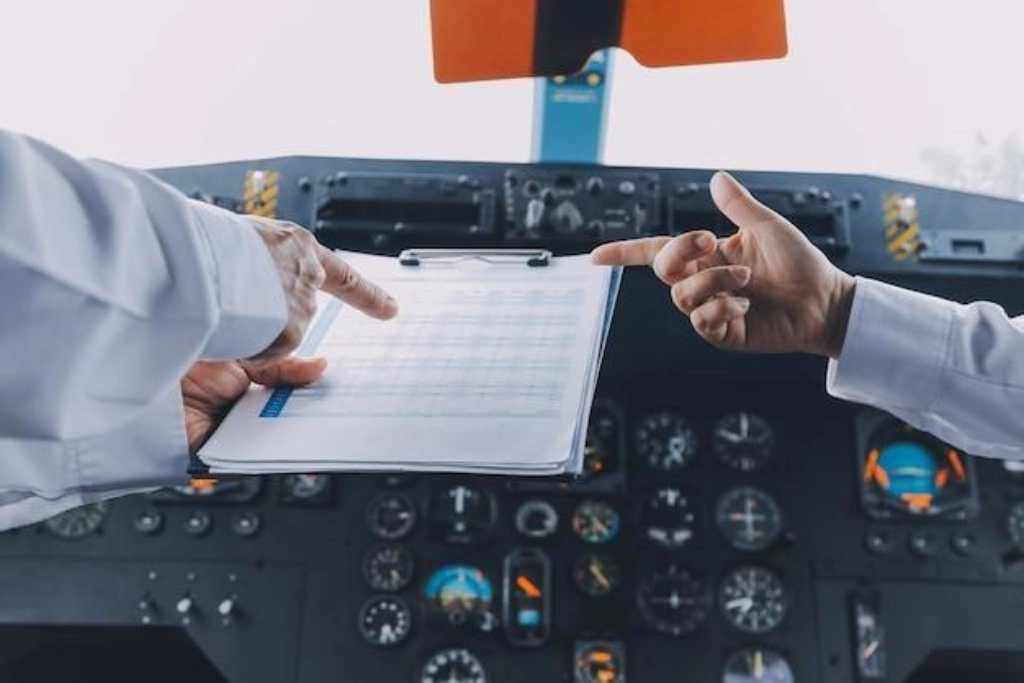
The training of crews is critical to the safety of the airlines. Pilots, cabin crew and ground staff undergo comprehensive training to equip them to face both normal or emergency conditions. Flight simulators enable pilots to train on how to deal with uncommon conditions such as engine failure or critical turbulence. Members of the cabin crew are trained on first aid, evacuation and assistance of the passengers in case of emergencies.
Training and renewal classes are held to guarantee that the members of the crews remain ready and assured. Airlines also measure the industry in terms of the crew performance by conducting frequent checks and evaluations. The presence of well-trained staff coupled with a comprehensive risk assessment plan helps in ensuring that any unforeseen event could be handled efficiently thus keeping the passengers safe at all costs.
Advanced Technology Supporting Safety
The aviation industry has been transformed by technology and this has brought safety and efficiency. Real-time monitoring systems in modern aircrafts are used to monitor the health condition of the engines, fuel efficiency and stability of flight. Such systems notify the airline team of any irregularities in advance before it becomes a major problem.
GPS and automated flight controls are types of technology in navigation that minimise human error and enhance accuracy in flight. Data analytics is also employed by airlines in evaluation of trends, risk forecasting, and preventive measures. The constant technological improvement allows keeping up with the times to be responsive to the shifting situation. This kind of innovation reinforces airline safety and risk testing which make the flights run without any problems and insecurity.
Maintenance and Inspections
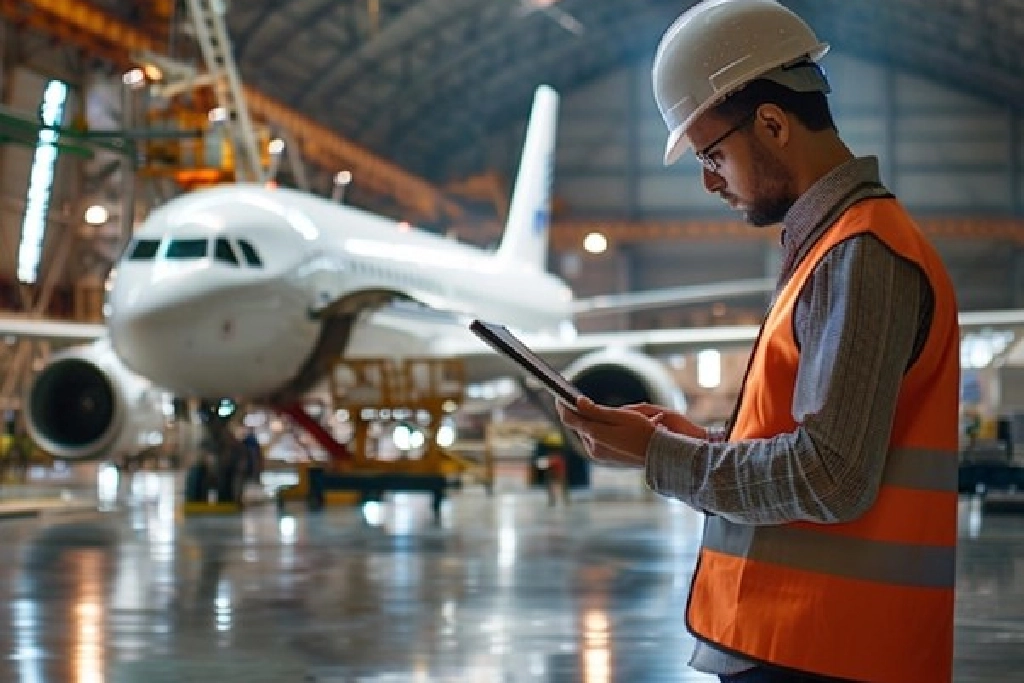
Another required pillar of the airline safety and risk assessment is maintenance. Aircrafts are subject to frequent checkups in order to make sure everything is functioning as it is supposed to be. Checks are made in structural integrity, avionics, engines and safety equipment. Airlines have preventive maintenance schedules so that they can deal with small problems before they develop. Expert technicians will examine them in insightful details and carry out repairs on time.
Software updates and instrument calibration are also classified as maintenance since they are very essential in proper navigation and communication. The maintenance focus will minimise the risks of technical failures and ensure reliable operations are maintained by the airlines. Passengers are able to travel with the confidence that all the flights are supported by comprehensive and continuous checks.
Safety Culture Within Airlines
The powerful safety culture is favorable to all aspects of airline operations. This culture will promote involvement of all staff members in the process of reporting and identification of potential hazards. Free flow of information amongst pilots, members of the crew and ground personnel will ensure that observations are put across and responded to promptly. Carriers undergo in-house audit and external audit to check on safety standards.
Awareness programs on the employees lay stress on the need to adhere to safety measures and follow the instructions on how to conduct risk assessment. Airlines will be in a better position to handle risks successfully when safety is a collective responsibility. An effective safety culture guarantees passenger and employee safety throughout all flights as well as employees.
The Bottom Line
Safety and risk evaluation of the airlines are critical pledges that exceed the regulations. They integrate training, technology, maintenance, and culture in order to establish a safe travel environment. An example of this strategy is the Blu3Aero that focuses on incorporating superior levels of safety measures and preventive risk management in all its operations.
The crew members are subjected to constant training, the aircrafts are serviced more carefully and the safety systems are constantly upgraded. Risk assessment assists the airline to foresee possible problems as well as react fast.
Blu3Aero provides secure, reliable, and comfortable flights by implementing safety at all levels. By opting to use Blu3Aero, the passengers will have a good time using the air transport services knowing that all the precautions are taken to secure them.